TradeScale.
Helping skilled tradesmen build real businesses.
Guidance from someone who’s actually done it…not just talked about it.
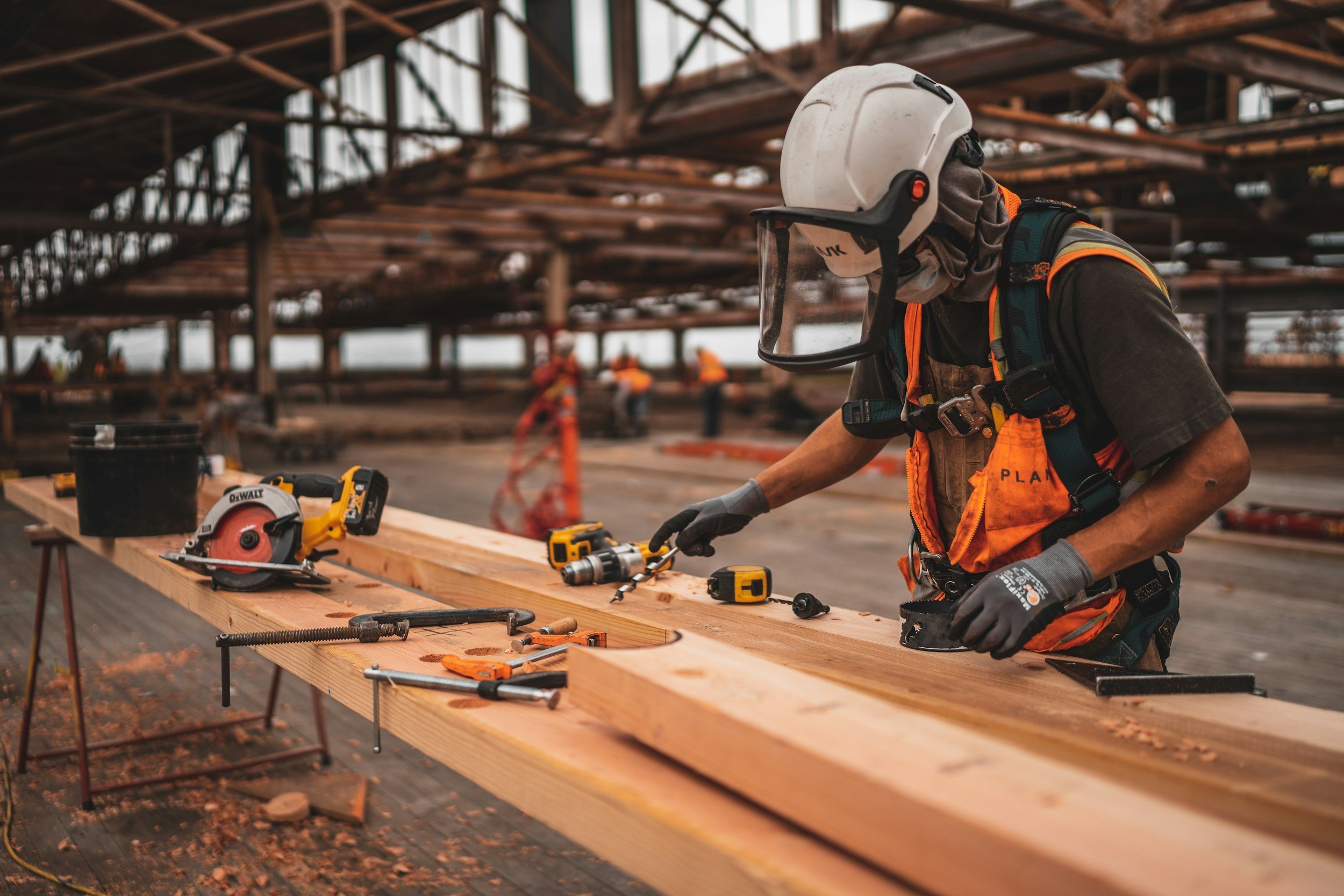
You know how to build.
Running a business is a different job.
There are a lot of talented people in the trades - framers, HVAC techs, plumbers, supers - who do great work.
But when it comes to:
Pricing jobs right
Managing cash flow
Hiring and leading a team
Growing beyond doing everything themselves
Navigating insurance, bonding, and licensing
Most are left to figure it out on their own.
That usually looks like:
Long hours
Tight margins
Taking on more risk than they should
Not because they can’t do it…
because no one ever showed them how.
That’s where TradeScale comes in.
TradeScale helps you move from doing the work to running the business.
This isn’t theory or recycled advice.
It comes from actually building and running construction companies.
Managing real projects
Leading teams
Dealing with the problems that come with growth
There’s no shortage of information out there.
What’s missing is someone who’s been through it and can help you apply it.
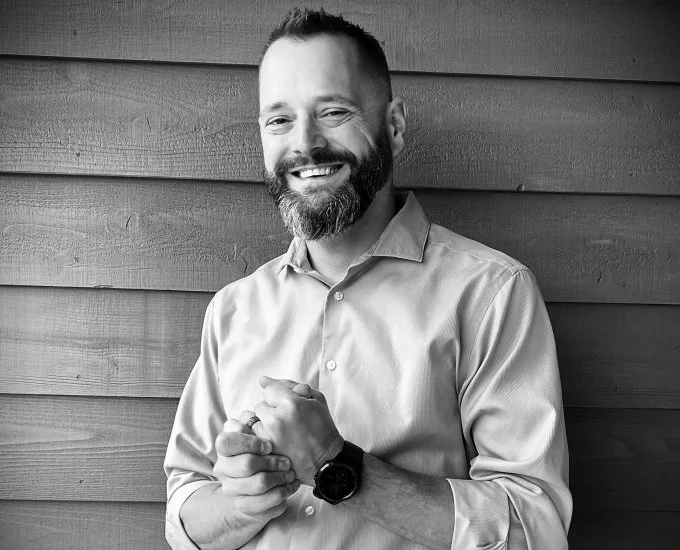
Your Coach, Mike Cartner
TradeScale was built from experience.
I’ve spent my career in construction—from working in a family business, to buying and scaling companies, to co-founding Mountain Town Constructors, building complex structures in high-altitude environments.
I’ve led teams, delivered projects across multiple sectors, and worked through the realities that come with growth in this industry.
I’ve seen what works—and what breaks down over time.
TradeScale is built to help you avoid the hard lessons where you can…and handle the ones you can’t.
Who is this for?
Tradespeople ready to go out on their own
Small contractors trying to get to the next level
Foremen and supers who want more responsibility—and more upside
Owners who need better systems and structure
Anyone looking for quick wins or shortcuts
Anyone who doesn’t want feedback
Anyone not willing to put in the work
Who is this not for?
We focus on the parts of the business that actually move the needle:
Pricing your work so you’re consistently making money
Building systems so the business doesn’t rely on you
Managing cash flow, billing, and knowing your numbers
Setting up accounting systems that give you real visibility
Hiring and leading a strong crew
Contracts, risk, and protecting your downside
Understanding insurance, bonding, and when you actually need them
Growing from taking jobs to running a company
What we work on:

Let’s Get Started
Free Call: 15-20 minutes
Talk through where you’re at
Identify your biggest issue
See if it makes sense to work together
Strategy Session: 60-90 minutes
Deep dive into your business
Clear, practical plan
Ongoing Coaching: Monthly Support
Monthly advisory + support
Systems and accountability
Focused on growth

Beyond Coaching (Selective Opportunities)
In some cases, I also deploy capital alongside the right operators.
This isn’t for everyone—and it’s not the starting point.
It’s for people who:
Know their trade
Are serious about building a real business
And are willing to do things the right way
If there’s a fit, I’m open to:
Investing in your company
Structuring partnerships
Supporting growth beyond just advice
But it starts with building the fundamentals first.